Beginner Guides
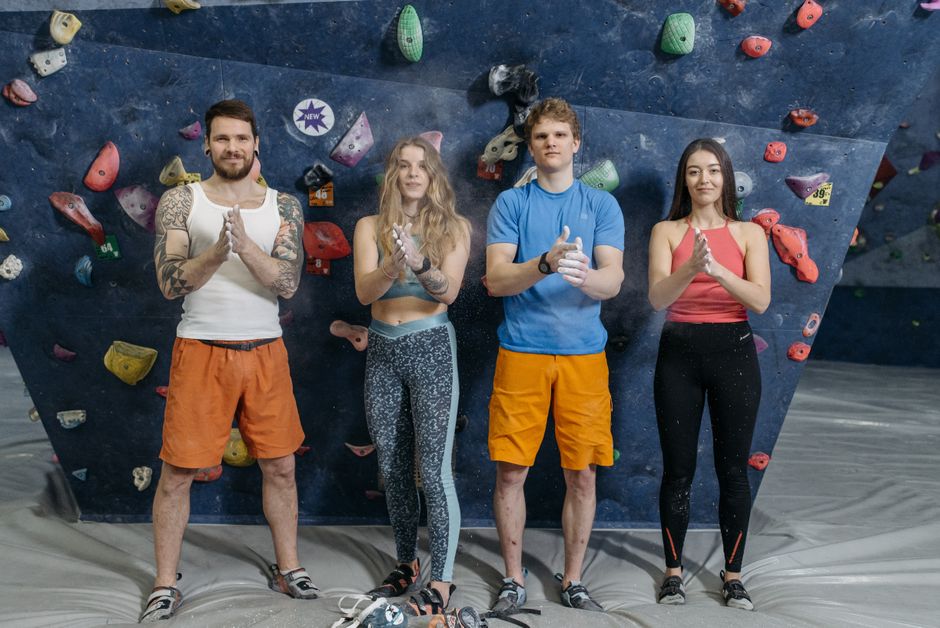
Not every session needs to be an epic. Between work, family, and the endless pull of real life, many climbers get an hour, maybe ninety minutes, and that is enough. The key is structure. A focused hour beats a meandering three-hour session every time, because progress comes from quality, not quantity. Here is how to make the most of a short window, whether you are at the gym or on the rock.
Start with a real warm-up. Ten minutes of easy movement, some dynamic stretching, and a few easy problems or traverses will prepare your tendons and joints for harder work. Do not skip this, even when time is tight. A cold pulley is a torn pulley, and an injury will cost you far more than the ten minutes you saved. After warming up, take two minutes to set an intention for the session. Pick one or two specific goals, like working on footwork or projecting a single problem, and stick to them.
With roughly forty minutes of climbing time, split your session into blocks. Spend the first block on skill work, focusing on movement quality rather than difficulty. Choose problems you can climb well and repeat them with perfect technique, paying attention to your feet, hips, and breathing. This builds the neural pathways that make hard moves feel automatic.
The second block is for strength or power. Pick a small number of hard problems or exercises and give them full effort with long rests between attempts. Quality matters more than volume here. Three or four good attempts on a project will do more than twenty sloppy ones. If you are at the gym, a campus board or hangboard can add focused finger strength, but only if you have built a base and know how to use them safely.
The final block is for cooling down and reflecting. Climb a few easy problems, stretch, and take a minute to note what went well and what you want to work on next time. A small notebook or a phone note is enough. Tracking your sessions turns random effort into a plan, and it helps you see progress that would otherwise go unnoticed.
The biggest enemy of a short session is distraction. Leave your phone in your bag, or at least silence it. Climb with intention, and resist the urge to chat between every attempt. That said, a little socializing is good for the soul, so find a balance that keeps you moving without turning the session into a coffee break.
Recovery matters too. If you are training hard on short sessions several times a week, your body needs sleep, food, and rest days. Do not stack intense sessions back to back. Alternate hard days with easy days, and listen to your body when it asks for a break. Overtraining is the fastest way to lose the progress you are working so hard to build.
Finally, remember why you climb. Training is a tool, not the goal. If a short session leaves you energized and excited for the next one, you are doing it right. If it leaves you drained and dreading the gym, adjust. The best training plan is the one you can sustain, and an hour of focused, joyful climbing will always beat a grind you resent.
