Bouldering
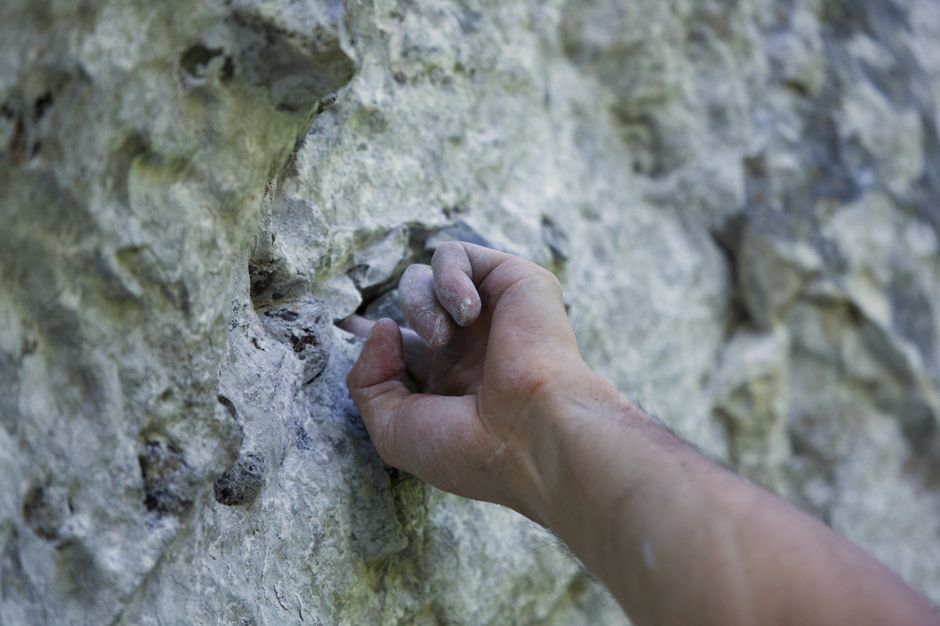
Ask any longtime Front Range climber what skill unlocked their biggest jump in confidence, and a surprising number will say the same thing: learning to crack climb. Cracks look painful and awkward from the ground, but once your hand actually seats in a constriction, the feeling flips from desperate to bomber. The Flatirons and the surrounding foothills are full of short, approachable cracks that make ideal classrooms, and you do not need to be a seasoned trad leader to start learning the movement.
The first thing to understand is that a hand jam is not a grip. You are not squeezing the rock so much as stacking your hand inside a narrowing slot and letting the rock hold you. Make a slightly cupped hand, slide it into the crack where it feels snug, then curl your thumb across your palm or tuck it against your index finger. Stand up on your feet and pull down slightly. That downward pull rotates your knuckles into the walls and creates the lock. If your hand slides out, the crack is probably too wide or too narrow for a full jam, and a thinner finger jam or a wider fist jam is the better tool.
Most beginners blame their hands when a crack feels impossible, but the real culprit is usually the feet. In a crack, you generally want to insert your foot sideways and then rotate or twist your knee so the toe and heel press against both walls. This is called a foot jam or a toe jam depending on the size, and it takes the weight off your hands so you can rest. On vertical cracks, keep your hips close to the wall and your thumbs pointed down where possible. On slightly overhanging cracks, a technique called a thigh jam or a knee bar can buy you a no-hands rest, which is one of the great pleasures of crack climbing.
Tape matters more than you might expect. Crack climbing chews up the backs of your hands and the sides of your fingers, especially on granite. A simple tape glove, wrapping two or three fingers together and padding the back of the hand, saves skin and lets you try more laps. Buy a roll of athletic tape and practice wrapping at home before you go out, because fumbling with tape at the base of a route in the wind is its own skill.
Start on short, top-rope-able cracks before you ever tie into a lead. A gentle introduction is a low-angle crack where you can practice the motion without pumping out. Look for routes in the 5.6 to 5.8 range that follow a clean, consistent crack, since these let you focus on technique instead of route-finding. Bring a friend who already jams and ask them to watch your feet, because foot beta is almost impossible to see from your own perspective on the wall.
Expect your first few sessions to feel clumsy. Jamming is a contact sport, and your hands and feet need time to toughen up. Go easy, take breaks, and celebrate the small wins, like the first time a jam actually holds your weight without your forearm screaming. Once that click happens, a whole category of climbing that once looked terrifying starts to look like an invitation. The Flatirons are full of those invitations, and they are waiting.
