Training
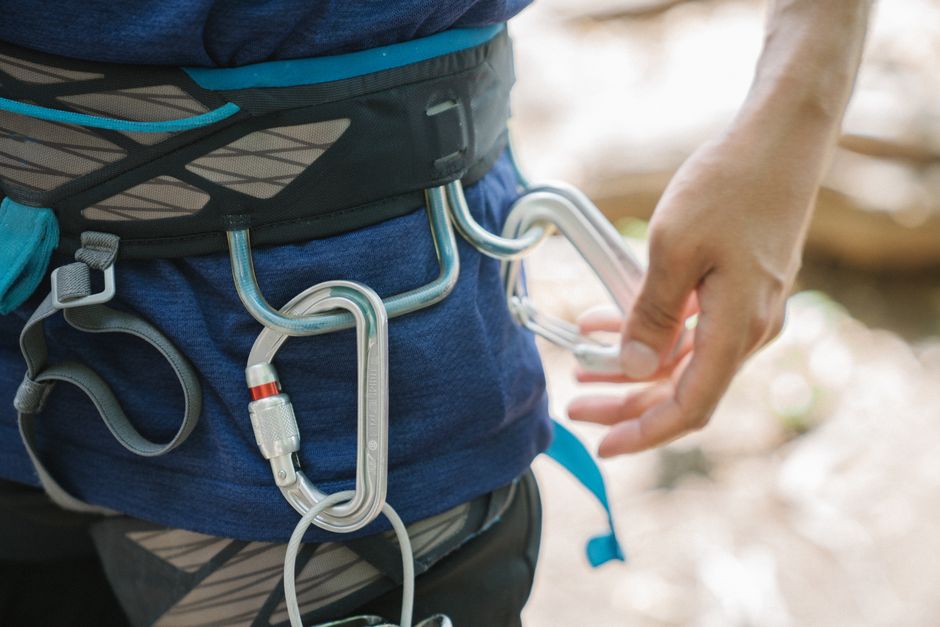
Trad climbing gear is expensive, and the temptation to buy everything at once is strong. Resist it. A good starter rack is built around the routes you actually climb, not the ones you dream about, and it grows as your skills and ambitions do. On the Front Range, where routes range from short single-pitch cracks to long alpine outings, a modest but well-chosen rack will take you surprisingly far.
Start with the essentials: a harness, a helmet, climbing shoes, a belay device, and a cordelette or sling for anchors. These are non-negotiable, and you should buy them new if you can afford it, because safety gear has a lifespan and you want to know its history. For the rack itself, buy used where it makes sense, but inspect everything carefully and retire anything with visible damage or unknown history.
The core of most Front Range racks is a set of cams, and for good reason. Cams cover a wide range of cracks, they are fast to place, and they inspire confidence. A single set of cams from about the size of your thumb to the size of your fist will handle most moderate routes. Add a set of nuts, which are light, cheap, and indispensable for thin cracks and anchor building. Do not skip the nuts. Many beginners do, and they regret it on their first thin route.
Beyond cams and nuts, you need slings and carabiners. Bring a mix of quickdraws and longer slings, because extending placements reduces rope drag on wandering routes. Add a few locking carabiners for anchors and belays, plus a personal anchor system so you can clip in safely at a stance. A small selection of cordelettes or a pre-sewn anchor sling rounds out the kit.
Consider the terrain. If you plan to climb in Eldorado Canyon, where cracks can be flaring and gear can be tricky, you may want doubles in certain sizes. If you plan to climb alpine routes, weight matters and you may trim your rack. Build for your local crags first, then expand as you travel.
Buying used cams is common and generally safe if you know what to look for. Check the slings for fraying or fading, test the trigger action, and inspect the cam lobes for cracks or deep wear. If a cam has been dropped or has a bent stem, retire it. Nuts and carabiners are more forgiving, but still inspect for cracks and sharp edges.
Do not buy gear you do not understand. Take a course, climb with experienced partners, and learn what each piece does before you rely on it. Practice placing gear at the ground, then on easy routes where a fall is unlikely. Confidence in your rack comes from repetition, not from a credit card.
Finally, remember that gear is not a substitute for judgment. The best rack in the world will not save you from a bad decision, and the most modest rack will serve you well if you use it thoughtfully. Build slowly, climb often, and let your rack grow with your experience.
