Gear
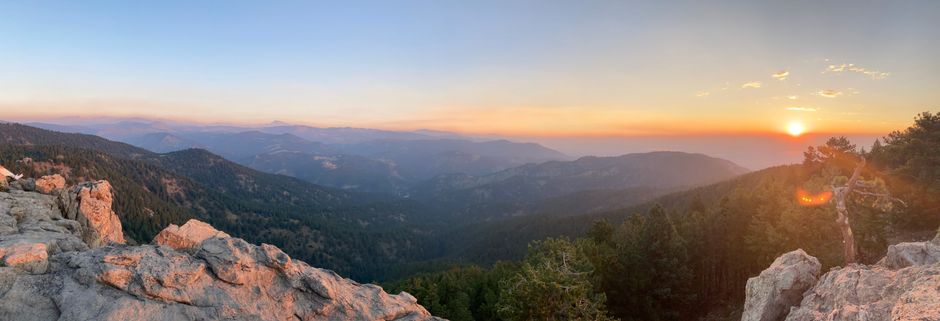
If you have just bought your first pair of climbing shoes and a chalk bag, Flagstaff Mountain is one of the best places in the country to break them in. Sitting just minutes west of downtown Boulder, Flagstaff offers a dense concentration of sandstone boulders with short approaches, so you spend your energy climbing instead of hiking. The area has been a training ground for generations of Boulder climbers, and on any given afternoon you will see everyone from first-timers to seasoned veterans working their projects side by side.
Before you head up, sort out the basics. Bring a crash pad, a brush, plenty of water, and shoes that fit snugly but not painfully. Check the forecast, because sandstone is fragile when wet and climbing on damp rock can damage the very holds you came to enjoy. Most importantly, go with a friend or make one at the boulders. A spotter and a second pad turn a scary fall into a casual hop down.
The lower slopes of Flagstaff are where most beginners cut their teeth. Look for the roadside clusters near the main parking areas, where you will find lowball problems with flat, sandy landings. These short walls are ideal for learning footwork, body positioning, and the art of topping out without panicking. Spend your first session traversing along the base of a boulder rather than trying to pull hard. Traversing builds endurance, teaches you to read holds, and keeps you close to the ground.
As you get comfortable, branch out to taller lines with clean falls. The beauty of Flagstaff is that difficulty is spread across the mountain, so you can warm up on easy problems and then walk fifty feet to something that will shut you down completely. Do not chase grades early. Chase movement. If a problem feels awkward, try it a different way, and pay attention to where your hips are relative to your hands.
Flagstaff is a shared space. Keep your pads off the trails, do not stack gear where others are climbing, and brush your chalk off the holds when you finish. If someone is mid-attempt on a problem you want to try, wait your turn or ask to join. The community here is friendly, and a quick conversation often turns into beta that saves you an hour of flailing.
Watch for wildlife, especially rattlesnakes sunning themselves near the rocks in warmer months, and be aware that afternoon thunderstorms roll in fast along the Front Range. If you hear thunder, pack up and head down. The rock will still be there tomorrow. Respect any seasonal closures, which protect nesting raptors and sensitive vegetation, and stay on established trails to keep erosion in check.
Finally, give yourself permission to be bad at this for a while. Bouldering is hard, and progress comes in small, satisfying increments. Log your sessions, note what felt better than last time, and celebrate the small wins. Flagstaff rewards curiosity and patience, and it will teach you more in a season of casual sessions than any video ever could.
