Technique
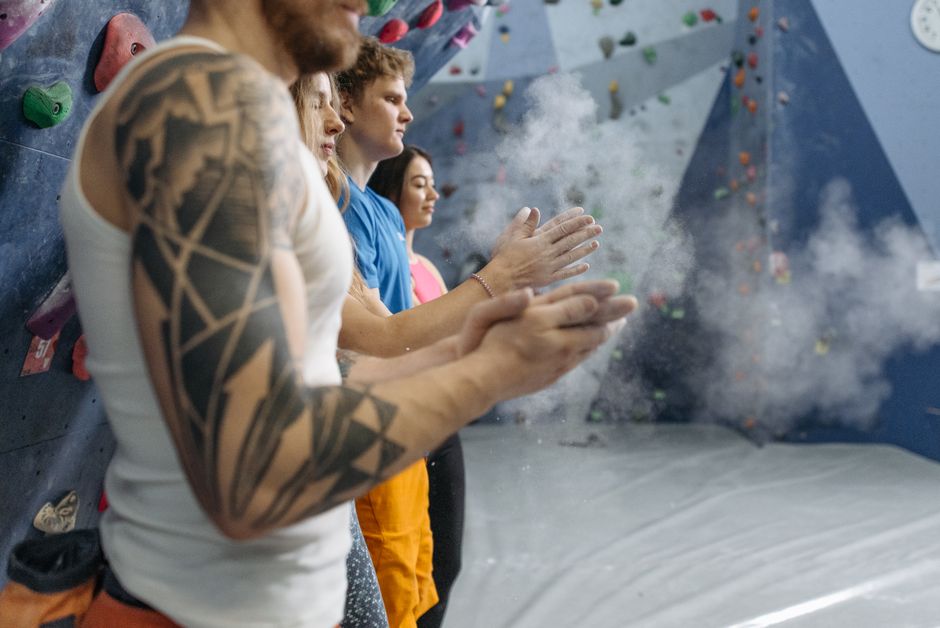
Every climber knows the feeling: you had a great session, your skin survived, and you want to go back the very next day. Then you go back, and everything feels heavy. Your fingers ache, your projects feel harder, and suddenly you are climbing worse than you did a week ago. That is not a mystery. It is your body asking for something you have been ignoring, which is recovery. Rest is not the opposite of training. It is part of training, and the climbers who improve fastest are usually the ones who respect it.
The physiology is simple enough. Hard climbing creates small amounts of damage in your muscles, tendons, and connective tissue, and it depletes the energy systems your forearms rely on. Adaptation, the actual strengthening, happens while you rest, not while you climb. Tendons in particular adapt much more slowly than muscle, which is why finger injuries are so common among climbers who ramp up volume too quickly. If you climb hard four or five days in a row, you are not getting four or five times the adaptation. You are accumulating fatigue and rolling the dice on a pulley strain.
A rest day does not have to mean lying on the couch, though sometimes that is exactly right. Light movement, sometimes called active recovery, can actually help. A easy walk, some gentle mobility work, or a short session of easy stretching increases blood flow without adding stress. What you want to avoid is anything that loads the same tissues you just hammered. That means no hangboarding, no limit bouldering, and probably no heavy grip-intensive chores.
Sleep is the single most powerful recovery tool available to you, and it is free. Most adults do best with seven to nine hours, and climbers who sleep well consistently report better session quality and fewer nagging tweaks. If you can, keep a consistent bedtime and darken your room. Nutrition matters too: protein supports tissue repair, and eating enough overall calories keeps your body from cannibalizing muscle. Hydration is easy to overlook in dry Front Range air, so drink more than you think you need.
Your body gives you signals long before it gives you an injury. Persistent finger soreness that does not fade after a warm-up, a sudden drop in grip strength, poor sleep, a resting heart rate that is higher than usual, and a general lack of motivation are all clues. So is the experience of warming up and never feeling warm. When several of these show up together, take an extra day. You will lose nothing and often gain a better session the next time out.
It also helps to plan rest rather than react to it. If you know you have a hard projecting day on Saturday, make Friday genuinely easy. If you climbed hard three days in a row, schedule a full day off before the next push. Think in weeks, not days, and look for a rhythm of hard sessions and easy ones. The climbers who send their projects are rarely the ones who train the most. They are the ones who train consistently and recover deliberately, session after session, for years.
