Technique
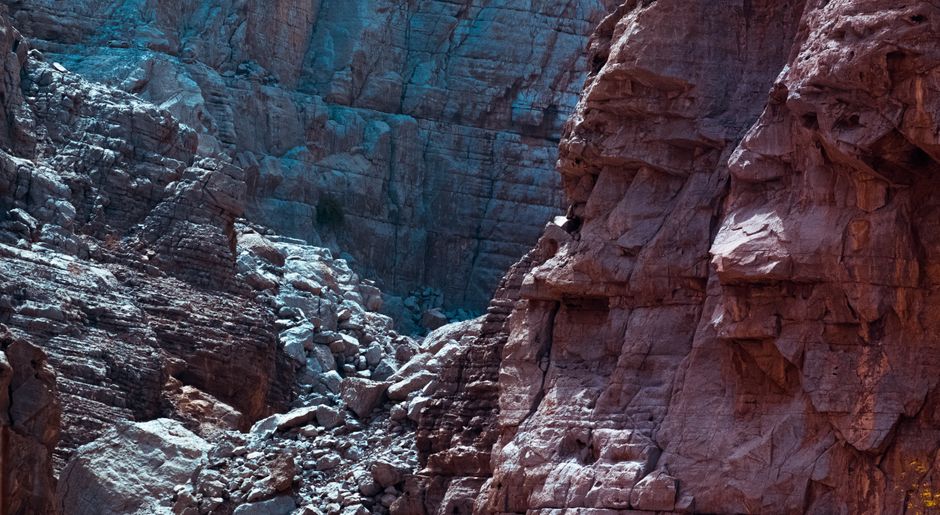
Eldorado Canyon has a reputation that precedes it. The towering walls, the historic routes, the hardmen and hardwomen who cut their teeth here. It can feel intimidating for a new trad leader, and rightly so, because many of the classic lines are steep, sustained, and protected by gear you have to place yourself. But hiding among the testpieces are a handful of moderate routes that let you experience the canyon without gambling your ankles.
The key is picking routes with good gear, reasonable grades, and clean falls. Eldo is not the place to push your limit on gear placements, so save the runout adventures for later and focus on routes where you can build confidence. Go early to beat the crowds and the heat, and always check the weather, because the canyon can funnel rain and runoff in a hurry.
Start with the well-traveled moderate lines on the lower buttresses, where cracks take gear easily and the movement is straightforward. These routes tend to be shorter, which keeps the commitment low and lets you practice placing gear without a huge rack. Focus on routes that follow obvious crack systems, because cracks accept protection predictably and teach you the fundamentals of jamming and stemming.
As you gain experience, move to longer routes with a mix of crack and face climbing. These lines demand more route-finding and more thoughtful gear, but they reward you with positions and views that remind you why Eldo is special. Read the topo carefully, note where the cruxes are, and plan your gear before you leave the ground. A little preparation goes a long way when you are twenty feet above your last piece.
Do not overlook the easier multi-pitch options either. Following a more experienced partner up a long route is one of the fastest ways to learn, because you get to watch gear placements, anchors, and rope management up close. Ask questions at the belay. Most Eldo veterans are happy to share what they know.
Before you tie in at Eldo, make sure your fundamentals are solid. Practice building anchors at the ground, placing and evaluating gear, and setting up belays. Learn to extend placements to reduce rope drag, and get comfortable with the idea that not every placement is perfect. Understanding when gear is good enough is a skill that takes time, and Eldo will test it.
Also work on your crack technique. Many of the moderate routes here follow cracks, and jamming is far less tiring than trying to face climb your way up a splitter. Tape your hands if you need to, and practice on shorter cracks before committing to a long one. Learn to trust your feet in cracks, because smearing on sandstone and granite demands a different kind of confidence than edging on plastic holds.
Finally, respect the history and the rules. Some areas have closures, some routes have fixed gear that should not be clipped, and some walls see heavy traffic that demands patience. Pack out everything you bring in, keep your impact low, and leave the canyon as wild as you found it.
